
One of the very first steps to creating a successful online presence is learning how to create a website.
This can often seem daunting for beginners, but it doesn’t have to be. All you have to do is take it one step at a time, then before you know it you have a website up and running so you can get started with your online project or business.
1. Register a domain name
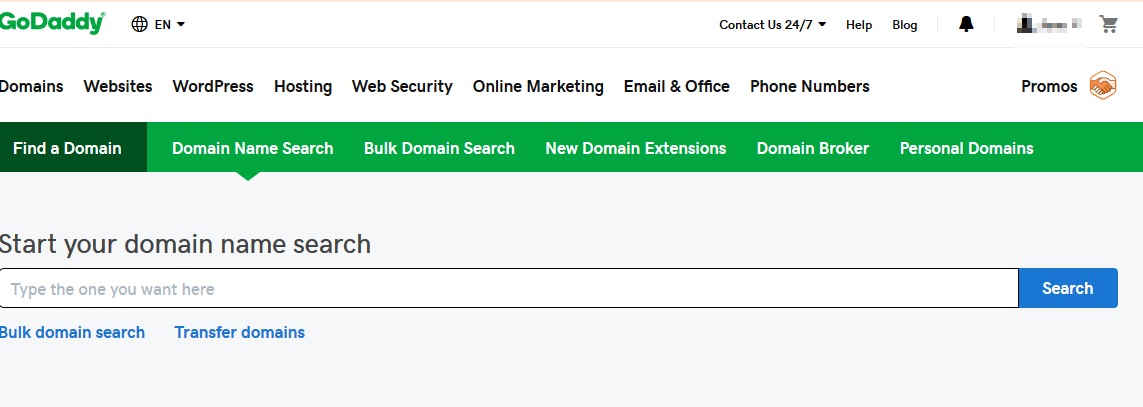
You can use a well-known registrar like GoDaddy, and the price is typically inexpensive when purchasing an annual registration.
You can try to find a domain with a keyword phrase to help with search context, but it is not strictly necessary. For a long-term website, it is usually better to choose a memorable, brandable domain name.
2. Choose a web hosting company
Just like you store files on your local hard drive, your website will have to be stored on a web server somewhere.
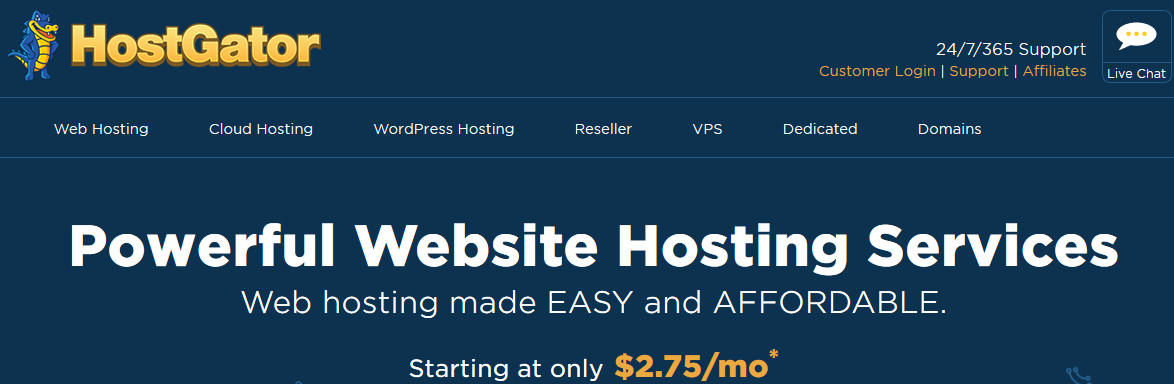
Hosting options are varied and budget-friendly, often ranging from $5 to $20 a month. Major providers like HostGator provide 24-hour customer support, which is useful when setting up a site for the first time.
3. Create your website
Once you have your web hosting space, upload your website to the server. You can choose a WYSIWYG editor to help you create HTML files quickly and then upload these files to your server.
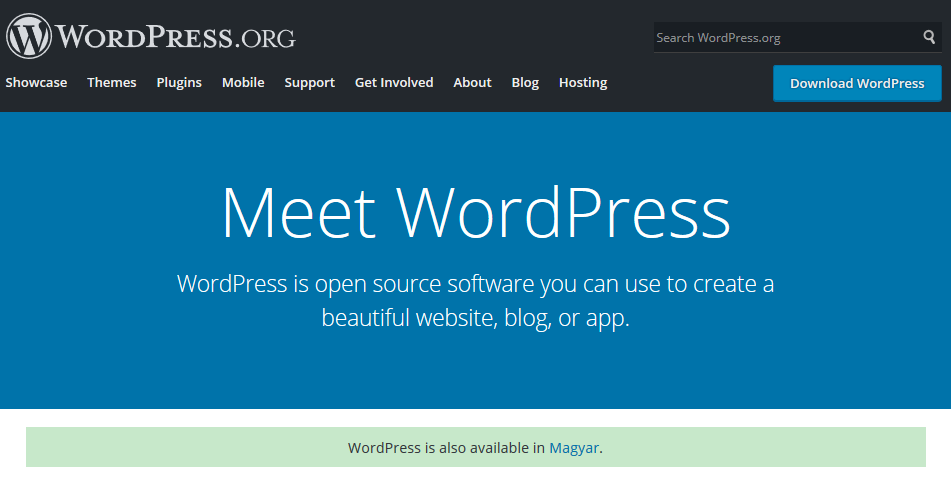
Alternatively, you can use your web hosting account to install WordPress software instead. Even though there is a slight learning curve, you’ll soon be able to focus on adding content to your website without having to learn HTML or CSS. WordPress is a popular content management system that simplifies site updates.
4. Create your content
Once your website is up and running, you can add articles that are relevant to your target audience.
Perform simple keyword research to understand what topics and phrases people are searching for in search engines. You can then write interesting and helpful articles around those subjects. Higher-quality, comprehensive content tends to rank better in search results over the long term.
5. Build traffic to your website
You can get traffic to your website in a variety of ways, including both paid and organic methods.

For most new sites, focusing on search engine optimization (SEO) and content marketing is the most sustainable approach. This involves building quality links to your website and sharing content on external platforms and social media networks to drive traffic back to your pages.
6. Monetize your site
Once you have consistent traffic, you can monetize your website in several ways, including selling digital products, promoting affiliate products, or selling physical goods related to your niche.
There are many ways to build a viable online business as long as you do your research early on and target an active, interested market.